
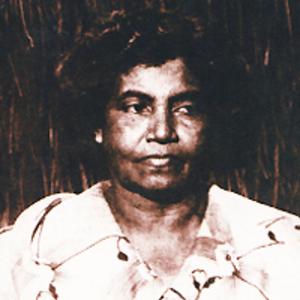
Artist
Jeymu Dhonkamana
Popular
- Adhaa3:24
Jeymu Dhonkamana
- Adhu Magey3:14
Jeymu Dhonkamana
- Amey Magey Hiy3:12
Jeymu Dhonkamana
- Amudhun Mi Noon Gotheh5:34
Jeymu Dhonkamana
- Badhunaamthah3:10
Jeymu Dhonkamana
- Balaa Balaashe5:06
Jeymu Dhonkamana
- Daireege Safuhaathah4:37
Jeymu Dhonkamana
- Dhandah Dhandah5:28
Jeymu Dhonkamana
- Dhivehi Gaumaigen3:30
Jeymu Dhonkamana
- Dhin Mihitheh2:30
Jeymu Dhonkamana
Albums
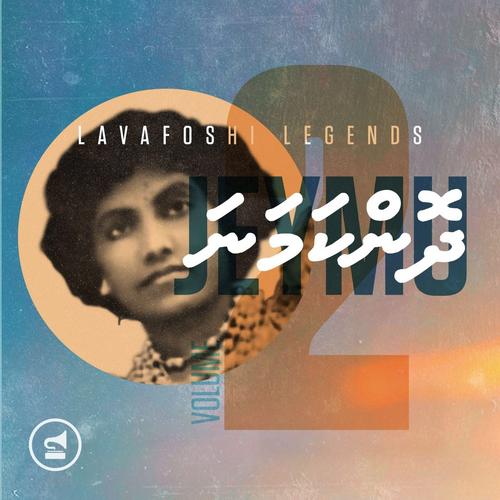
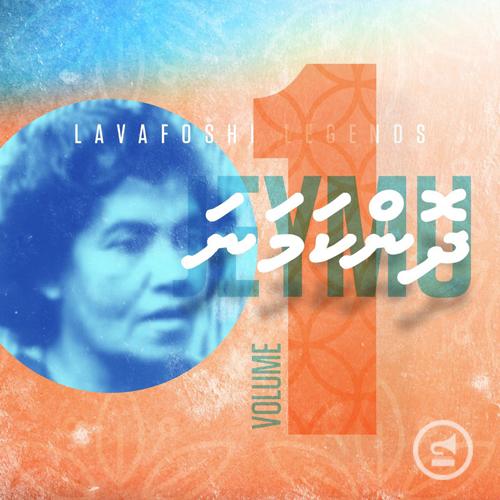
Featuring Jeymu Dhonkamana
About
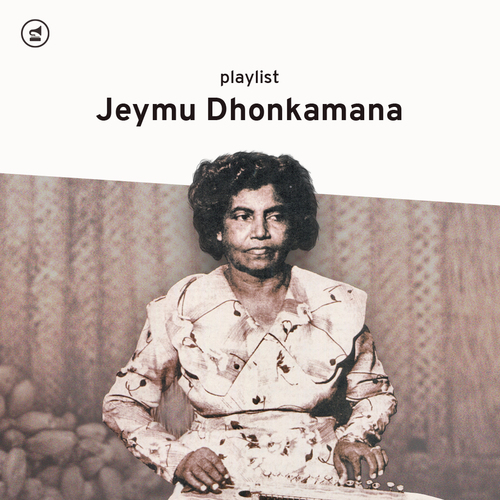
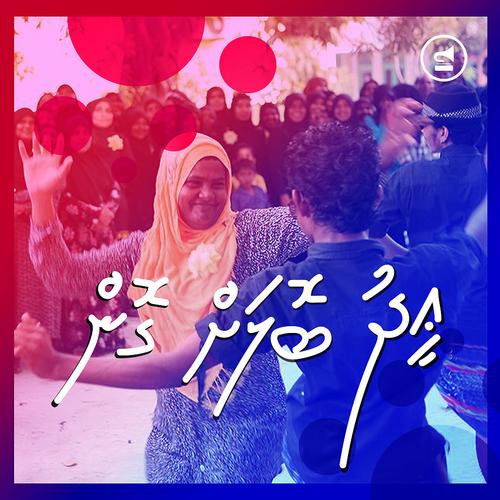
Jeymu Dhonkamana was one of those rare artists who comes around once in a generation. Jameela Saleem (later known as Jeymu Dhonkamana) of the famous Jeymu Gasdhoshuge’ was born in the mid 1920s. She was a true visionary and a trailblazer for both female and male artists of that time, right up to the present day. She is widely regarded as a National Treasure. Today, she retains a cult status owing to her raw originality and unbounded creativity. When she first started singing in her late teens, she adapted a high pitched feminine tone. However, after taking-up the ‘Kohttaafoshi’ (Indian string instrument Tarang) she changed her style similar to the likes of Shamshad Begum and Noor Jehan. Jeymu Dhonkmana referred to the Kohttaafoshi which she self-taught to play, as her closest friend and one which she could not live without. She cited her mother as a major inspiration, who herself was involved in musical ventures of the time. Jeymu Dhonkamana said the lullabies she sang to her eldest child (after becoming a mother in her mid 20s) helped her polish her singing skills and go professional. She composed over 200 songs and recorded 43 of them for State Radio. In addition she also wrote poetry and Raivaru. She managed Nuraanee Gulshan Club where she devoted her time giving singing and dancing lessons to girls. Her most well-loved songs include; ‘Tharutheebu magun tharubiyyathu koh’, ‘Loabivanee mee keevvehey’, ‘Ishgakee mulhi zindhagee’, and ‘Dhin mi hitheh anburaa nugendhaanan’.